Vicarage Road upholstery cleaning for Watford businesses
If you run a business near Vicarage Road, you already know how quickly upholstery takes a beating. Office chairs get shiny at the arms, reception sofas collect coffee marks, and waiting-room seating slowly starts to look tired long before it should. Vicarage Road upholstery cleaning for Watford businesses is not just about making fabric look nice for a day or two; it is about protecting a professional image, keeping furniture usable for longer, and making day-to-day spaces feel calmer and cleaner for staff and visitors.
In a busy commercial setting, upholstery is one of those things people stop noticing when it is clean and notice immediately when it is not. That is exactly why it matters. Below, you will find a practical guide to how the process works, when to book it, what methods are normally used, and how to avoid the common mistakes that cost businesses time and money. Nothing fluffy here, just the useful stuff.
Table of Contents
- Why Vicarage Road upholstery cleaning for Watford businesses matters
- How the cleaning process works
- Key benefits and practical advantages
- Who this is for and when it makes sense
- Step-by-step guidance
- Expert tips for better results
- Common mistakes to avoid
- Tools, resources and recommendations
- Law, compliance, standards, or best practice
- Options, methods, or comparison table
- Case study or real-world example
- Practical checklist
- Conclusion
- Frequently asked questions
Why Vicarage Road upholstery cleaning for Watford businesses matters
Commercial upholstery works hard. Much harder than most people realise, to be fair. Chairs in meeting rooms get used all day. Soft seating in receptions picks up dust from doors opening and closing. Cafes, clinics, salons, training rooms and offices near Vicarage Road all have different traffic patterns, but the outcome is usually similar: fabric slowly absorbs body oils, airborne dust, spills, crumbs, and the occasional "that was definitely only tea" stain.
When upholstery is neglected, the business impact is more than cosmetic. A faded armchair can make a reception look scruffy. A stained waiting-room seat can quietly undermine trust. And if odours build up, the room starts to feel stale even after a general clean. Nobody wants that. Visitors may not say anything, but they notice. Staff do too.
There is also a practical side. Dirt works its way into fibres and can shorten the life of chairs, sofas and banquettes. Regular upholstery cleaning helps preserve materials, reduce wear, and keep replacement costs down. For businesses, that is one of those sensible maintenance jobs that pays back in the long run.
Key takeaway: well-maintained upholstery supports presentation, comfort, hygiene and value retention at the same time. That combination is why it deserves a place in your cleaning schedule, not just an occasional panic booking before a client visit.
How Vicarage Road upholstery cleaning for Watford businesses works
Professional upholstery cleaning usually starts with inspection. Different fabrics respond differently, and that is the first thing an experienced cleaner should look at. The fibre type, the construction of the item, the level of soiling, and any previous spot treatments all influence the method used. A heavy-duty office chair is not cleaned the same way as a delicate lobby sofa. Common sense, really, but it matters.
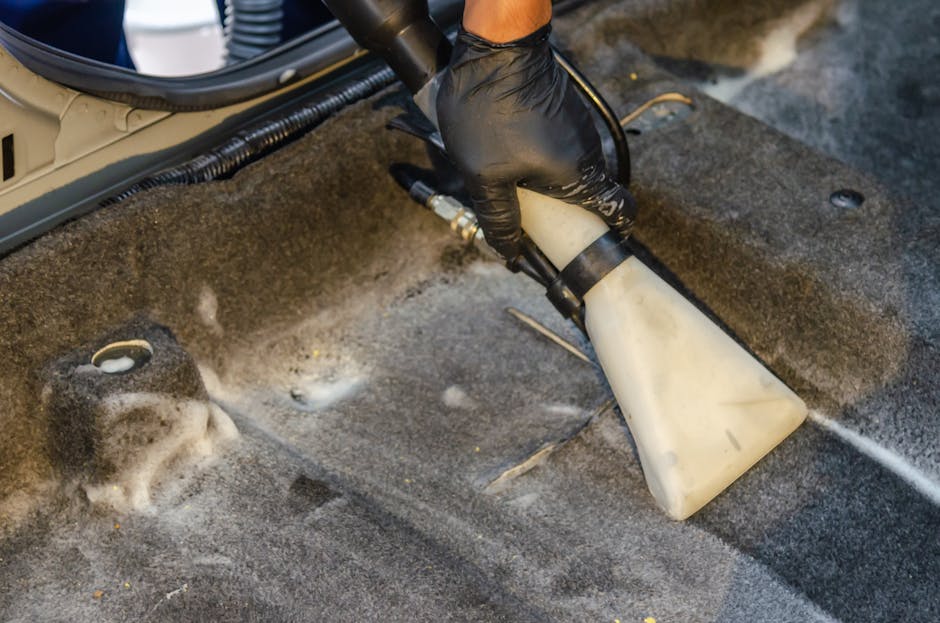
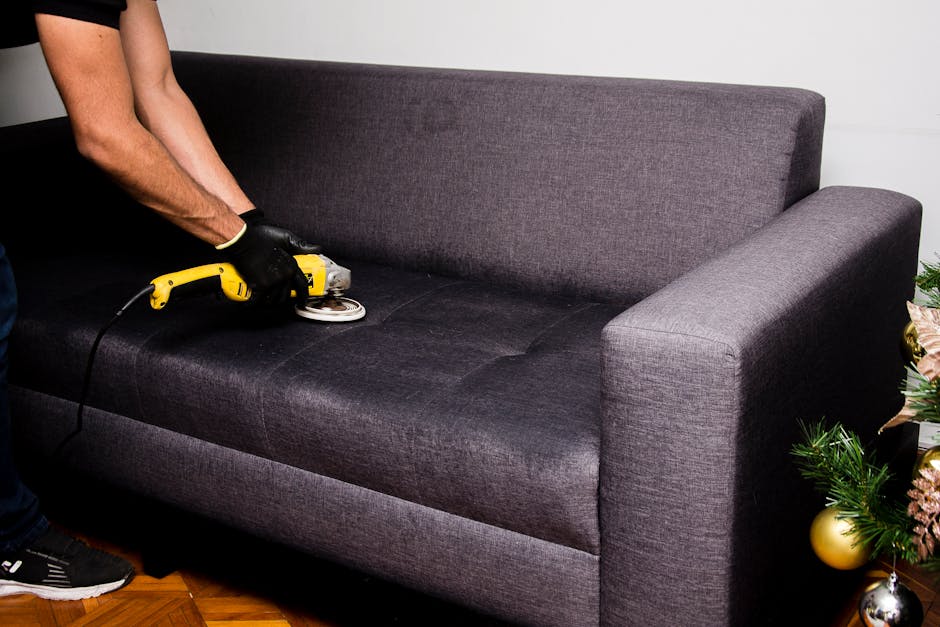
In practice, the process often includes vacuuming, spot testing, pre-treatment for marks, and then a deeper clean using a suitable extraction or low-moisture method. Some items need hot water extraction, often called steam cleaning in everyday conversation, though it is not always literal steam. Others may be better suited to a drier process if the fabric, padding or drying time calls for it.
For many commercial premises, the goal is not just to remove visible staining. It is to lift embedded dirt from high-touch areas like armrests, seat fronts and back cushions. Those are the zones that get the most contact and, unsurprisingly, show the most wear.
If the space forms part of broader commercial upkeep, upholstery work is often planned alongside other services such as office cleaning, commercial cleaning, or even deep cleaning. That kind of coordination makes sense when you want the whole workplace to feel genuinely refreshed rather than just half-done.
A good cleaner should also explain drying times clearly. Businesses do not love surprises, especially when a meeting room is out of action longer than expected. Fair enough. The best jobs are the ones with tidy communication as well as tidy fabric.
Key benefits and practical advantages
The obvious benefit is appearance, but the real value goes deeper than that. Clean upholstery helps a workplace feel more inviting, more organised, and more cared for. In a customer-facing business, that can subtly improve the experience before anyone has even spoken to a member of staff.
- Improved first impressions: Clean seating signals attention to detail.
- Longer furniture life: Removing grit and residue reduces abrasion on fibres.
- Better indoor comfort: Fresh upholstery can reduce stale odours and dust build-up.
- Support for hygiene routines: Especially useful in shared or high-contact spaces.
- Reduced replacement pressure: Well-cared-for seating often lasts longer before reupholstery or replacement is needed.
There is another benefit that often gets overlooked: staff morale. A tidy, fresh-smelling workspace is simply nicer to work in. Not glamorous, maybe, but real. People spend a lot of time sitting down. If the chairs are clean and comfortable, the whole place feels less tired.
Businesses near Vicarage Road may also benefit from combining upholstery care with related services like sofa cleaning for lounge areas or targeted stain removal when specific marks need attention before a bigger appointment. It is often better to treat a problem early than wait until it becomes the thing everyone walks past and pretends not to see.
Who this is for and when it makes sense
This kind of cleaning is useful for a wide range of Watford businesses, not only offices. If people sit on it, lean on it, or walk past it with coffee in hand, it probably needs maintenance at some stage. That is the short version.
Typical businesses that benefit include:
- Offices with reception seating, meeting room chairs, or breakout areas
- Medical, dental, and therapy practices where cleanliness affects confidence
- Salons and wellness spaces with fabric seating in waiting areas
- Hospitality businesses such as cafes, bars, and small restaurants
- Managed properties with communal lounge furniture
- Training centres and education spaces with high seat turnover
It makes sense to book professional cleaning when upholstery starts looking dull, smells slightly stale, or shows visible marks that do not shift with routine wiping. It also makes sense after busy periods, seasonal traffic, refurbishments, or a change in footfall. In a real-world office, this might be the January reset, the post-summer tidy-up, or the slightly chaotic run-up to Christmas when guests keep arriving with coats, bags and muddy shoes. You know the kind of week.
If your business has a wider maintenance schedule, upholstery can sit alongside regular cleaning and commercial carpet cleaning. That kind of joined-up approach is usually more efficient than booking things separately at random.
Step-by-step guidance
If you are arranging Vicarage Road upholstery cleaning for Watford businesses for the first time, the process is simpler than it might sound. Here is the usual flow.
- Identify the items that need attention. List the chairs, sofas, banquettes or benches, and note any specific marks, odours or fabric concerns.
- Check the fabric or manufacturer guidance. If a label is present, it may indicate whether wet cleaning is suitable. If not, an experienced technician should still be able to assess it carefully.
- Request a quote and explain the setting. Mention access hours, lift use, parking, and whether the furniture is in a public or working area.
- Prepare the room. Clear loose items, papers, and personal belongings from around the furniture. Simple, but it saves time.
- Pre-treatment and testing. Stains are usually tested first to reduce the risk of fabric damage or colour loss.
- Deep clean or low-moisture clean. The method will depend on the fabric and the condition of the furniture.
- Drying and aftercare. Good airflow matters. In some cases, furniture can be used fairly quickly; in others, it needs longer.
One small but useful point: if the furniture is heavily used, ask whether it is better to clean it outside core trading hours. This is especially helpful for hospitality spaces or busy offices where a wet lounge area would be a headache. Night-time or early-morning appointments can be a lifesaver, and they tend to keep the day running smoothly.
And yes, the best outcomes usually happen when the business gives the cleaner accurate information. "It's just a few marks" and "actually, three people have tried to remove that mark already" are not the same thing. Not even close.
Expert tips for better results
Good upholstery cleaning is partly about technique and partly about avoiding little mistakes that snowball. Here are a few expert habits that make a real difference.
- Act quickly on spills. The sooner a stain is treated, the better the chances of removing it cleanly.
- Blot, do not rub. Rubbing spreads liquids and can damage the pile or fabric finish.
- Vacuum before deep cleaning. Dry soil removal helps reduce mudding and improves the final result.
- Ask about drying conditions. Airflow, temperature and room layout all affect drying time.
- Schedule around trading hours. This keeps disruption down and reduces the temptation to sit on damp fabric too soon.
- Choose the right method for the material. Delicate fabrics need a lighter touch than durable contract upholstery.
One practical observation from busy workplaces: armrests and front seat edges usually show wear before the main seat area does. If you are prioritising a smaller clean rather than the whole room, start there. It is a simple way to improve the look of the space fast.
Also, if the room contains mixed furnishings, it can be worth grouping related work together. For example, a reception area may benefit from upholstery treatment, window cleaning, and hard-surface care in the same visit. It makes the whole front-of-house area feel more intentional. A bit more polished. A bit less "we got round to it eventually."
Common mistakes to avoid
Most upholstery problems come from enthusiasm, impatience, or using the wrong product. We have all seen it. A person spots a stain, grabs the nearest cleaner, and things go downhill from there.
- Using bleach or harsh chemicals: These can permanently damage fibres or leave pale rings.
- Over-wetting the fabric: Too much moisture can leave odours, long drying times, or water marks.
- Ignoring fibre type: What works on one fabric may ruin another.
- Cleaning only the visible stain: Spot-only treatment can create uneven colour results.
- Putting furniture back into service too early: This can flatten fibres and reintroduce dirt.
- Skipping the pre-test: A small test patch is not optional when colour fastness is uncertain.
A common one in offices is the "quick wipe" that seems helpful in the moment but actually pushes the spill deeper. Another classic is using too much detergent because the surface still feels a bit grubby. The residue then attracts more soil later. Irritating, really.
If you want a broader reset, it can help to combine upholstery care with other specialist tasks such as carpet cleaning or steam carpet cleaning. That way, the clean is more balanced across the whole space rather than one area looking fresh and another looking oddly forgotten.
Tools, resources and recommendations
You do not need to be an equipment expert to make a good decision, but it helps to know the basics. Professional upholstery cleaning commonly involves inspection lights, upholstery brushes, fabric-safe pre-sprays, extraction tools, and controlled drying support. For business settings, the most useful "tool" is often a clear maintenance plan.
Consider keeping a simple upholstery record for your premises. It can note:
- Furniture location
- Fabric type, if known
- Last clean date
- Known stain issues
- Any restrictions on wet cleaning
That may sound a bit dull, but it saves time when booking future cleans. It also helps different staff members give consistent information. Handy if facilities, reception, and management all touch the same task from different angles.
For businesses already thinking about broader property care, it can make sense to coordinate upholstery work with curtain cleaning, rug cleaning, or mattress cleaning where relevant. Those services are not interchangeable, of course, but they can fit into the same refresh cycle if the premises has mixed soft furnishings.
One more recommendation: ask for a clear explanation of drying expectations. A good provider should be able to tell you what to expect without hedging every sentence. That confidence matters.
Law, compliance, standards, or best practice
Commercial cleaning work in the UK should always be approached with sensible attention to health and safety, risk assessment, and material handling. For upholstery cleaning, that usually means using products appropriately, avoiding unnecessary chemical exposure, and taking care around electrical equipment, carpets, and public access routes.
For Watford businesses, the practical takeaway is straightforward: make sure the cleaning provider works safely, carries appropriate insurance, and can explain how they protect both staff and property. It is worth checking policies and processes before work begins, especially in occupied premises or customer-facing areas. If you need to review service terms, insurance detail or payment arrangements, the site's insurance and safety, health and safety policy, payment and security, and terms and conditions pages are useful reference points.
Best practice also means respecting the building environment. That includes keeping walkways clear, controlling slips, using suitable signage where needed, and managing moisture so the area can return to use safely. Not every job needs a dramatic setup with cones everywhere, but a calm, tidy work method is a good sign.
Businesses committed to lower-waste operations may also care about product use and disposal practices. If that matters to you, it is reasonable to ask how waste water, packaging, and consumables are handled. A practical, honest answer is usually better than glossy claims. The real world tends to prefer the first one.
Options, methods, or comparison table
Different upholstery cleaning methods suit different situations. Here is a simple comparison to help you think it through.
| Method | Best for | Strengths | Watch-outs |
|---|---|---|---|
| Hot water extraction | Durable fabric seating, heavier soil, routine commercial refreshes | Deep soil removal, strong overall clean | Needs sensible drying time; not ideal for every delicate fabric |
| Low-moisture cleaning | Busy premises, shorter turnaround windows, moisture-sensitive items | Faster drying, less interruption | May be less aggressive on older or deeply embedded staining |
| Targeted stain treatment | Specific marks on otherwise clean furniture | Efficient for isolated problems | May not refresh the whole item evenly |
| Combined upholstery and fabric refresh | Reception areas, lounges, waiting rooms | More complete visual improvement | Needs more planning and access time |
The best choice depends on the furniture, the fabric, the urgency, and how much downtime you can spare. There is rarely one perfect answer for every business. If someone claims there is, be a little cautious.
Case study or real-world example
Here is a typical example based on common commercial situations. A small Watford business near Vicarage Road had a reception sofa and four fabric visitor chairs that had slowly drifted from "fine" to "best not look too closely." There was no dramatic disaster, just a build-up of day-to-day use: coffee drips, hand oils, dust, and a faint stale smell by late afternoon.
The business did not want major disruption, so the work was scheduled outside opening hours. The cleaner inspected the fabric, treated the visible marks, and used an appropriate low-moisture process for the seating. The sofa looked brighter straight away, but the bigger difference came the next morning when the room smelled fresher and felt lighter. Staff noticed before the first visitor even arrived.
That is the thing with upholstery. It rarely screams for attention until it is badly overdue, but once it is properly cleaned, the whole room can feel calmer. Small change, big effect. And yes, people do notice.
In setups like this, businesses often decide to add a recurring plan for upholstery alongside one-off cleaning or broader commercial cleaning support. It is a sensible way to stop the furniture from sliding back into the same worn-in look six months later.
Practical checklist
Before you book, run through this quick checklist. It saves faffing about later.
- Identify the furniture pieces that need cleaning.
- Note any stains, odours, tears, or fragile areas.
- Check whether the work needs to happen outside trading hours.
- Confirm access, parking, and any building restrictions.
- Ask which method is likely to suit the fabric.
- Find out approximate drying time and re-use guidance.
- Clarify whether the quote includes pre-treatment for stains.
- Make sure the provider can explain safety and insurance arrangements.
- Prepare the space by removing loose items and protecting nearby surfaces where needed.
- Plan follow-up maintenance so the clean lasts longer.
Expert summary: The best commercial upholstery clean is not necessarily the most aggressive one. It is the one that lifts soil safely, suits the fabric, fits your timetable, and leaves the business looking consistently cared for.
Conclusion
Vicarage Road upholstery cleaning for Watford businesses is one of those maintenance tasks that quietly improves almost everything around it. Your seating looks better, your workplace feels fresher, your visitors get a better first impression, and your furniture stands a better chance of lasting. Nothing flashy. Just good business sense.
If you are deciding whether to book now or wait a bit longer, ask yourself one simple question: will the furniture look better or worse three months from now if you do nothing? That usually answers it. And if you need upholstery work as part of a wider property refresh, it can sit neatly alongside other specialist services such as deep cleaning and office cleaning.
Get a free quote today and see how much you can save.
Sometimes the cleanest spaces are simply the ones that have been looked after with a bit of care, a bit of timing, and the right people on the job. That goes a long way.
Frequently Asked Questions
How often should businesses book upholstery cleaning?
It depends on footfall, fabric type, and how customer-facing the space is. Busy reception areas, waiting rooms, and shared seating usually need more regular attention than a low-use meeting room. A practical schedule is often based on condition rather than a fixed calendar alone.
Is upholstery cleaning suitable for office chairs and reception sofas?
Yes, provided the fabric and construction are suitable for the chosen method. Office chairs, lobby sofas, banquettes, and soft seating are all common commercial jobs. The key is matching the method to the material.
Will the cleaning remove all stains?
Not always. Many stains improve a great deal, but some marks are permanent, especially if they have been heat-set, scrubbed harshly, or left for a long time. A good cleaner should explain what is likely before starting, rather than promising miracles.
How long does upholstery take to dry?
Drying time varies with the method used, fabric type, ventilation, and room temperature. Low-moisture methods tend to dry faster, while more thorough wet cleaning may need longer. Good airflow helps a lot.
Can upholstery cleaning be done outside business hours?
Usually, yes. Many businesses prefer early morning, evening, or weekend work so the furniture can dry without disrupting the working day. It is often the easiest option for customer-facing premises.
What is the difference between upholstery cleaning and sofa cleaning?
"Sofa cleaning" usually refers to sofas specifically, while upholstery cleaning is broader and covers upholstered chairs, benches, armchairs, and similar items. In practice, the methods overlap quite a bit.
Does professional cleaning help with odours?
Yes, especially where odours come from embedded dirt, spills, food residue, or general stale build-up. If the smell is due to a deeper problem, the cleaner may need to inspect the cause and advise accordingly.
Is it safe for delicate fabrics?
It can be, if the cleaner tests the material first and uses the right process. Delicate fabrics need more care, less moisture, and a careful approach to stain treatment. That part matters quite a lot.
Should I combine upholstery cleaning with carpet cleaning?
If the areas are used together, yes, that often makes sense. Cleaning seating while leaving carpets dull can make a room look only half refreshed. Many businesses find it more efficient to plan both at the same time.
What should I do before the cleaner arrives?
Clear personal items, loose paperwork, and anything fragile around the furniture. If possible, make access easy and let the cleaner know about any problem areas in advance. A few minutes of prep saves a surprising amount of time.
How do I choose a provider for Watford business premises?
Look for clear communication, practical experience with commercial furniture, appropriate insurance, and a method that suits your upholstery rather than forcing one approach on everything. If the explanation sounds rushed or vague, that is usually a sign to ask more questions.
Can upholstery cleaning be part of a broader commercial cleaning plan?
Absolutely. In fact, it often works best that way. Businesses commonly combine it with services such as commercial carpet cleaning, window cleaning, or commercial cleaning to keep the whole environment in step.