Communal area Cleaning in Watford
If you manage, own, or live in a shared property, Communal area Cleaning in Watford is one of those services that quietly makes a huge difference to everyday life. Clean hallways, tidy stairwells, fresh-smelling entrances, and well-kept shared spaces create a better experience for residents, visitors, and tenants alike. In Watford, where you’ll find everything from converted Victorian houses and purpose-built apartment blocks to mixed-use buildings, office spaces, and managed estates, keeping shared areas presentable can be a real challenge without a reliable local cleaning team.
Communal areas are used constantly. Foot traffic, muddy shoes, pushchairs, parcels, pets, rainwater, and general day-to-day wear all build up quickly. When these spaces are not cleaned properly, the whole building starts to feel neglected. That can affect resident satisfaction, tenant retention, and the overall impression of a property. A professional local service helps keep shared areas safe, hygienic, and welcoming all year round.
Watford properties also come with practical realities that matter. Parking can be tight around busy streets and apartment developments, access may be restricted by entry codes or timed visits, and different buildings need different cleaning schedules. A local team understands those details and can work around them with minimal disruption. Whether you’re a landlord, managing agent, freeholder, residents’ association, or business owner, the right service should feel straightforward, consistent, and tailored to your building.
What communal area cleaning means for Watford properties

Communal area cleaning covers the shared parts of a property that everyone uses but nobody individually owns or maintains on their own. In practical terms, that usually includes entrances, hallways, landings, staircases, lifts, internal windows, bin stores, shared kitchens, reception areas, corridors, and other common spaces. In Watford, these spaces are found in residential blocks near the town centre, converted houses in older neighbourhoods, and commercial buildings with multiple occupiers.
The purpose is not only to make the property look better, but also to keep it functioning properly. Regular cleaning helps reduce dust, remove litter, control unpleasant odours, and keep touchpoints, floors, and high-traffic areas in a better condition. For buildings with heavy use, the right cleaning routine can make a noticeable difference within days.
Because shared areas are used by different people throughout the day, they often need more attention than private homes. A one-off tidy-up may help temporarily, but routine communal cleaning is what keeps standards consistent. That is especially important in busy parts of Watford where residents, delivery drivers, visitors, and contractors all pass through the same areas.
Why local communal area cleaning matters in Watford

Choosing a local team for communal area cleaning in Watford brings practical benefits. A local cleaner is more likely to understand the rhythm of the area, including traffic patterns, parking limitations, school run congestion, and the needs of different property types. That can make scheduling easier and the service more reliable for building managers and residents.
Watford is a varied place. Around the town centre you’ll find high-use apartment buildings and commercial premises; in areas such as North Watford, Nascot Wood, Oxhey, Bushey borders, and South Oxhey, there are different styles of housing and shared access layouts; and across the wider borough there are estates and business units with their own cleaning requirements. A good local provider will adapt to the building rather than expect the building to fit a fixed routine.
Local knowledge also helps with access and logistics. If there are limited parking bays, keypad entry, concierge arrangements, or cleaning windows that must avoid busy times, a nearby team can plan realistically. That means fewer missed visits, less disruption, and a better result for everyone using the property.
What is typically included in communal area cleaning
Every building is different, but most communal area cleaning services include a structured set of tasks designed to keep shared spaces neat, sanitary, and presentable. The exact schedule may be adjusted depending on use, property size, and tenant expectations, but the following tasks are commonly requested by customers in Watford:
- Sweeping, vacuuming, and mopping floors in hallways, lobbies, and stairwells
- Dusting skirting boards, ledges, bannisters, handrails, and window sills
- Wiping down entrance doors, frames, push plates, intercom panels, and other touchpoints
- Cleaning lift interiors and lift call buttons where applicable
- Removing litter and clearing small debris from communal spaces
- Cleaning internal glass, mirrors, and accessible window areas
- Refreshing bin areas and shared refuse points
- Spot-cleaning marks on walls, doors, and fittings where practical
- Checking and tidying entrance mats and high-traffic zones
- Reporting obvious issues such as damage, leaks, or persistent spillages
Some properties also need extra attention in areas like shared kitchens, laundry rooms, cycle stores, reception areas, or basement access corridors. In those cases, the service can usually be shaped around the building’s specific requirements.
A well-run communal cleaning schedule should feel routine, not disruptive. The aim is to keep the property looking cared for without getting in residents’ way. That means working efficiently, consistently, and with attention to detail, especially in areas that are easy to overlook.
Types of properties we can help with

Communal area cleaning in Watford is relevant to a wide range of properties, not just apartment blocks. Many local customers need support for buildings where several people share entrances, circulation areas, or facilities. These can include residential and commercial properties, and often a mix of both.
Typical property types include:
- Apartment blocks and flats above shops
- Converted houses with shared hallways and staircases
- Managed estates and housing developments
- Purpose-built retirement or supported living schemes
- Office buildings with shared entrances, corridors, and kitchens
- Mixed-use premises with both residential and commercial access
- Commercial units where staff and visitors use common spaces
- Student accommodation and multi-occupancy buildings
Each type of property creates a different cleaning pattern. For example, a block near Watford town centre may need more frequent floor cleaning and litter removal because of heavy footfall, while a quieter residential development may need a more measured schedule focused on dust, cobwebs, and general presentation. A flexible approach helps make sure the service is neither underdone nor unnecessarily intrusive.
Shared areas in older buildings can be especially demanding because of narrower staircases, more awkward corners, or older surfaces that need careful treatment. Modern apartment blocks may need attention to glass, polished finishes, lift panels, and large entrance lobbies. The best approach is one that respects the building’s materials, layout, and day-to-day use.
Benefits of regular communal cleaning for residents and managers
For residents and tenants
A clean shared area makes coming home feel better. People notice fresh floors, tidy entrances, and dust-free handrails immediately. It can create a more comfortable environment, particularly in buildings where residents pass each other several times a day. Clean communal areas also help reduce frustration when people feel that the building is being looked after properly.
For landlords, agents, and freeholders
Well-maintained communal spaces support the overall condition of a property. While cleaning does not replace maintenance, it does help reduce visible wear and tear and keeps surfaces from deteriorating as quickly. It also reflects positively on management standards, which matters in competitive rental and sales markets around Watford.
For commercial occupiers
In office and mixed-use properties, communal cleanliness contributes to professionalism. A tidy entrance, clear corridors, and clean shared facilities help create a better impression for clients, staff, and visitors. It can also support general workplace hygiene and improve the everyday experience of everyone using the building.
In short, regular cleaning is not just about appearances. It supports a better environment, helps buildings remain more pleasant to use, and reduces the sense that shared spaces are being left to decline.
How the service usually works
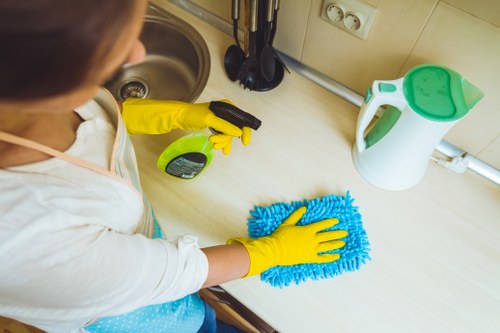
Most customers want a straightforward process, and that is exactly what a reliable local cleaning service should provide. The first step is usually an initial discussion about the property, the number of floors or units, the level of use, and any special access details. From there, a suitable cleaning plan can be put together.
The service often follows a routine such as:
- Understanding the building layout and shared areas
- Agreeing on the areas to be cleaned and the frequency of visits
- Planning access, parking, and any entry requirements
- Carrying out cleaning at the agreed times
- Keeping the service consistent and adjusting if building needs change
For many customers, the main priority is dependability. They want to know that the communal spaces will be cleaned properly each visit without the need for constant chasing. A good local team should be able to work calmly and efficiently, whether that means early morning visits, regular weekly cleaning, or a more frequent schedule for high-traffic properties.
If you manage a busy block in central Watford or a property with limited access, it helps to work with a team that is used to practical site conditions. That can include buzz-in systems, resident-sensitive visit times, shared entrances, and the need to keep disruption to a minimum.
What to expect from a thorough cleaning visit
Common standards customers look for
When people enquire about communal area cleaning, they usually want to know what “good” actually looks like. In a well-run service, you should expect consistency, attention to detail, and a clear understanding of the areas that matter most in a shared building. Floors should be clean and free of visible debris, surfaces should be wiped down, and touchpoints should be handled properly.
It is also important that cleaning is done in a way that fits the building. For example, some communal areas have delicate flooring, decorative bannisters, glass panels, or finishes that require the right products and methods. A responsible cleaner should treat the property with care and avoid harsh or unsuitable treatment.
Customers also often look for practical reporting. If a bulb has gone, a spill keeps reappearing in the same place, or there is damage in a common area, it helps when the cleaner can flag it rather than leaving the issue unnoticed. That kind of awareness supports better property management overall.
In a shared building, small details matter. Clean edges, tidy corners, fresh-smelling entrances, and clearly maintained bins or mats all add up to a stronger impression than basic surface cleaning alone.
Preparing your property for communal area cleaning

Good preparation makes the service more efficient and helps the cleaning team focus on the areas that need attention. You do not need to overcomplicate the process, but a few simple steps can make a real difference. This is especially useful where the building has security controls or shared access arrangements.
Useful preparation steps include:
- Confirming access details, entry codes, or key arrangements in advance
- Making sure the cleaning team knows the agreed areas and priorities
- Clearing personal items from communal walkways where possible
- Notifying residents or occupiers if there are planned changes to visit times
- Letting the team know about parking restrictions or loading points
- Highlighting fragile fixtures, special floor finishes, or problem spots
In Watford, parking and access can be one of the biggest practical issues. Some blocks have limited visitor parking, while others are on busier roads where stopping time is short. Local teams are used to dealing with these realities, but any advance information helps the service run more smoothly and avoids delays.
If your building has recurring issues such as muddy footprints in wet weather, high litter levels, or mess around bin stores, it helps to mention these upfront. That allows the cleaning routine to focus on the real pain points rather than only the obvious surface areas.
Pricing factors for communal area cleaning in Watford
Customers often ask what affects the cost of communal area cleaning. While exact pricing depends on the building and the service required, there are several common factors that shape the quotation. Being aware of them makes it easier to compare services sensibly and choose a plan that fits the property.
Typical pricing factors include:
- The size of the building and number of floors
- How many communal areas need cleaning
- How often the service is needed
- The amount of foot traffic and general use
- Whether additional tasks are included, such as bin areas or internal glass
- Access arrangements and the time required on site
- Any specialist surfaces or more detailed cleaning requirements
It is often better to think in terms of value rather than just cost. A cheaper service that is inconsistent or rushed may not give the results you need. On the other hand, a well-planned service that is matched to the building can help keep standards higher and reduce complaints, repeat cleaning requests, and visible deterioration.
When requesting a quote, be clear about the building layout, visit frequency, and any specific problem areas. That helps the cleaning provider give a more accurate and relevant proposal.
Why choose a local Watford cleaning company
Faster response and better understanding
A local company can usually respond more quickly when your building needs attention or when the schedule has to change. That can be useful for managed properties with changing occupancy, seasonal demand, or a need to adjust around resident access. A nearby team is also more likely to understand local property management expectations and the practicalities of working in Watford.
More suitable for local buildings
Watford has a mix of older and newer buildings, and not every property can be cleaned the same way. A local provider who works across the area will usually be familiar with the differences between a town-centre apartment block, a quiet estate, and a shared office building. That experience helps create a more suitable cleaning plan.
Better coordination with access challenges
Many communal areas require careful coordination. There may be residents coming and going, deliveries to avoid, or shared facilities that must stay open. A local team is more likely to appreciate the need for punctuality, clear communication, and efficient visits that do not disturb the people who live or work there.
For customers in Watford, local knowledge can make the service feel far less complicated. It is not only about cleaning well; it is also about making the process easy to manage.
Areas covered around Watford
Communal area cleaning is often needed throughout Watford and the surrounding neighbourhoods. A local service can usually support a wide area, including a range of residential and commercial locations. Depending on the property and access requirements, nearby areas may include:
- Watford town centre
- North Watford
- West Watford
- South Oxhey
- Oxhey
- Nascot Wood
- Croxley Green
- Bushey borders
- Garston
- Park Gate and surrounding residential developments
This spread matters because different areas often mean different building layouts, parking restrictions, and cleaning needs. A service that understands the local map can save time and avoid complications, especially where multiple properties are managed across the borough.
Whether your premises are close to the station, on a busy residential road, or tucked into a quieter estate, the key is to arrange a cleaning plan that suits the building rather than forcing a one-size-fits-all approach.
Frequently asked questions
How often should communal areas be cleaned?
The right frequency depends on foot traffic, the number of residents or occupiers, and the type of building. Some blocks benefit from weekly cleaning, while busier premises may need more regular visits. High-use entrances, lifts, and stairwells often need more attention than quieter shared spaces.
Can the service be tailored to our building?
Yes. Communal area cleaning should be adapted to the property. That can mean focusing on stairs, corridors, internal glass, bin areas, or entrance lobbies, depending on what the building needs most.
Do you clean both residential and commercial communal spaces?
Yes, many customers need support for both. Residential blocks, mixed-use buildings, office entrances, and shared commercial facilities can all benefit from a regular cleaning schedule.
What if our building has awkward access or limited parking?
That is common in Watford and should be discussed when arranging the service. A local cleaning team can plan around access restrictions, timed entry, loading areas, and parking limitations more easily when these details are known in advance.
Can cleaning help reduce complaints from residents?
Often, yes. Clean and tidy shared areas usually lead to fewer concerns about appearance, odours, and general upkeep. While cleaning cannot solve every management issue, it can remove one of the most common causes of dissatisfaction.
What should we do before the first visit?
Provide access details, point out priority areas, and let the cleaner know about any recurring issues. If there are fragile surfaces, secure doors, or resident-sensitive times, it helps to mention them before the service begins.
Choose a cleaner shared space and a better impression
Shared buildings work best when the communal areas are maintained consistently. Whether it is an apartment block, an office entrance, or a mixed-use property, regular cleaning keeps the building feeling cared for and makes everyday life more pleasant for the people using it. In a busy place like Watford, where foot traffic, weather, and practical access issues all play a part, a local service can be the difference between a space that feels neglected and one that feels properly managed.
From floor cleaning and dust removal to entrance care, bin areas, and ongoing upkeep, the right service should be reliable, flexible, and suited to the realities of your property. If you are comparing options for communal area cleaning in Watford, look for a provider that understands local buildings, communicates clearly, and can work around the way your property is used.
Contact us today to discuss your building’s needs, request a free quote, or book your service now. A cleaner communal area starts with a straightforward conversation and a schedule that works for your property.